British pub culture has survived wars, recessions and sweeping changes in consumer taste and the humble pint of real ale has survived right alongside it. For decades, cask-conditioned beer occupied a somewhat precarious position in the market, squeezed by the rise of lager and mass-produced keg products. Yet the story that has unfolded since is one of resilience, community and a genuine revival of interest in traditional brewing. CAMRA, the Campaign for Real Ale, has been at the heart of that story for longer than most drinkers realise.
A Community Built Around the Pint
What distinguishes real ale culture from other drinks movements is the sense of community that surrounds it. People who care about cask beer tend to care about it deeply, visiting multiple pubs to compare the same beer across different cellar conditions, seeking out seasonal brews from small regional producers and sharing recommendations with the enthusiasm of dedicated hobbyists. This is not a passive interest. It involves knowledge, conversation and a genuine engagement with the craft behind what ends up in the glass. Pubs that serve real ale well become local institutions, known not just for their beer but for the quality of the experience they offer. That communal aspect is part of what makes the culture so durable.
What Real Ale Actually Is and Why It Matters
The term real ale has a specific and meaningful definition. It refers to beer that has been brewed using traditional methods and undergoes a secondary fermentation in the container from which it is served, typically a cask. This process, known as cask conditioning, gives the beer a natural carbonation and a depth of flavour that is difficult to replicate through other methods. The yeast remains active in the cask, continuing to develop the beer’s character right up until it is served. This makes cask ale a living product, one that requires skill from the cellar manager and rewards the drinker with a complexity that well-kept real ale consistently delivers. CAMRA has long championed the importance of this distinction, working to ensure that the definition remains clear and that standards are maintained across the industry.
The Role of Pubs in Preserving British Brewing Heritage
The British pub is more than a venue. It is a cultural institution that has shaped social life across towns, cities and villages for centuries. Many of the brewing traditions that real ale represents are inseparable from the pub environment in which they were developed and refined. Regional styles, local ingredients and the relationships between brewers and landlords all contributed to the enormous diversity of British beer that still exists today. When pubs close, those traditions face genuine risk of disappearing with them. This is one of the reasons why advocacy around pub preservation matters alongside advocacy for the beer itself. A well-kept pint of cask ale, served in a pub with a genuine connection to its local community, represents something that cannot easily be replicated in other settings.
What Draws New Drinkers to Cask and Craft Beer
Real ale has attracted a younger and more diverse audience in recent years, in large part because the values it represents align with broader shifts in consumer behaviour. People increasingly want to know where their food and drink comes from, how it is made and whether the producers behind it operate with integrity. Real ale, with its emphasis on traditional methods, local ingredients and small-batch production, fits naturally into that framework. The discovery element also plays a role, since no two cask ales are exactly alike and finding a new favourite is a consistently rewarding experience for anyone who takes it seriously.
- Flavour complexity that rewards attention and changes across different sessions and producers.
- A connection to local brewing heritage that feels genuine rather than manufactured.
- The social dimension of sharing a well-kept pint in a pub environment with knowledgeable staff.
- The variety available across styles, from pale and hoppy to dark and malty, with something for almost every preference.
- The satisfaction of supporting independent brewers and local pubs that contribute to their communities.
These are not trivial attractions. They represent the same qualities that have sustained interest in real ale through periods when its decline seemed inevitable and they continue to bring new drinkers into the fold. CAMRA has played a significant role in communicating these qualities to a wider audience over many years of active promotion.
Festivals, Events and the Social Side of Real Ale
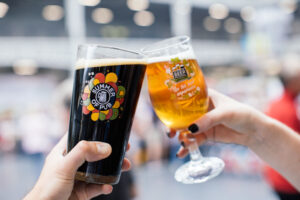
Some of the most effective ambassadors for real ale are the festivals and events that bring drinkers together to sample beer from dozens or even hundreds of different producers in a single setting. These gatherings create an environment where curiosity is encouraged, conversation flows naturally and the sheer range of what British brewing produces becomes immediately apparent. For someone new to cask ale, a well-organised festival provides a concentrated introduction to the breadth of styles and flavours available. For experienced drinkers, it offers the chance to discover new brewers, reconnect with old favourites and engage with a community that shares their enthusiasm. Events of this kind do real work in growing and sustaining the audience for real ale.
Supporting the Movement That Keeps Real Ale Alive
The continuation of real ale culture depends on active support from the people who value it. That means drinking it regularly at local pubs, seeking out new producers, attending events and engaging with the organisations that advocate on behalf of brewers and pubs at a policy level. It also means being willing to share the experience with people who have not yet encountered it, since word of mouth remains one of the most powerful tools for expanding any culture. CAMRA has structured much of its work around enabling exactly this kind of grassroots engagement, providing resources, guidance and a collective voice for those who believe that real ale and the pubs that serve it deserve protection and celebration.
The continued vitality of real ale culture is not accidental. It reflects genuine effort from brewers, publicans and the communities that support them. CAMRA remains central to that effort and the results speak for themselves in every well-kept pint of cask ale served across Britain.